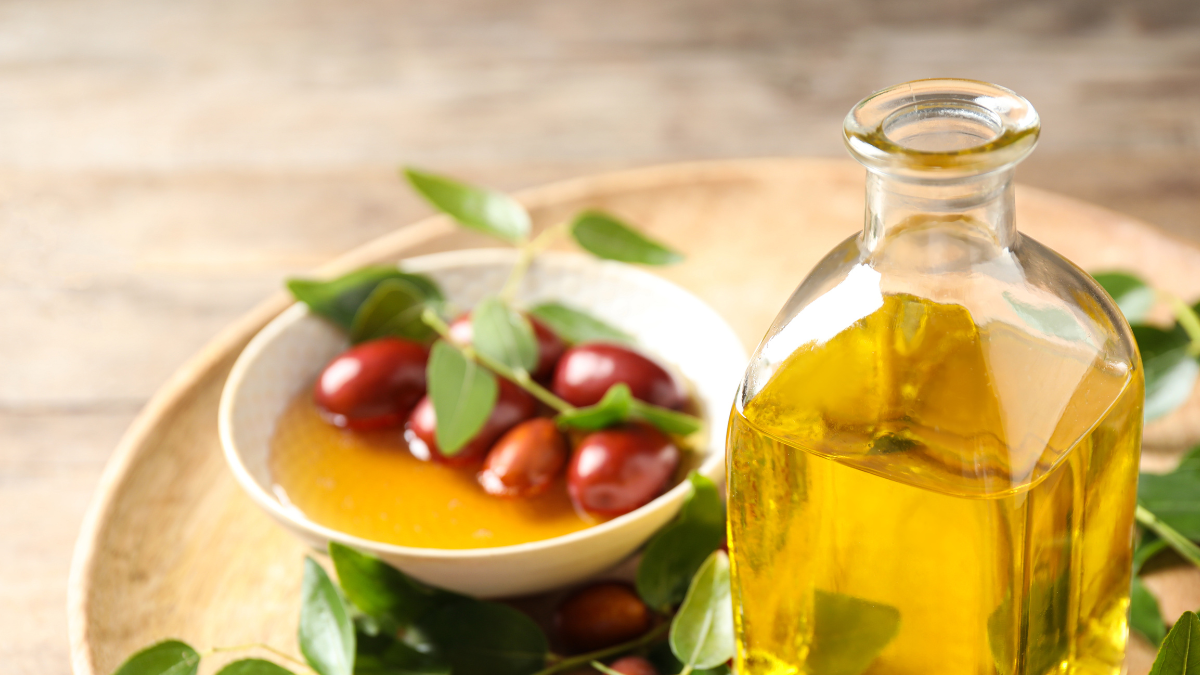
Hair loss can be stressful and frustrating, but nature often holds the best solutions — and one of them is jojoba oil. Known for its deep moisturizing and healing properties, jojoba oil for hair loss has become a trusted natural remedy for strengthening hair, reducing shedding, and promoting regrowth.
Extracted from the seeds of the Simmondsia chinensis plant, jojoba oil closely mimics the scalp’s natural sebum, making it perfect for restoring balance and nourishing hair follicles. In this post, you’ll discover five natural ways jojoba oil strengthens and regrows hair, helping you achieve thicker, healthier, and more resilient locks — the natural way.
Table of Contents
What Is Jojoba Oil?
Jojoba oil is a natural liquid wax extracted from the seeds of the Simmondsia chinensis plant, a shrub native to the deserts of Arizona, California, and northern Mexico. Despite being called an “oil,” it’s actually a wax ester — which means it’s chemically similar to the sebum (natural oil) produced by human skin and scalp.
This unique similarity makes jojoba oil for hair loss and skincare especially effective, as the body easily recognizes and absorbs it without irritation or buildup.
Key Characteristics of Jojoba Oil:
- Lightweight and non-greasy: It absorbs quickly into the scalp and hair without leaving residue.
- Rich in nutrients: Contains vitamins E and B-complex, plus minerals like zinc, copper, and selenium that nourish hair and skin.
- Stable and long-lasting: Jojoba oil doesn’t spoil easily because of its natural antioxidant content.
- Suitable for all hair types: Whether you have oily, dry, or sensitive scalp, it helps balance moisture levels naturally.
Because of its moisturizing, antibacterial, and anti-inflammatory properties, jojoba oil is widely used in hair care to promote growth, soothe irritation, and strengthen follicles — making it one of the most trusted natural remedies for hair loss and scalp health.
What Makes Jojoba Oil Good for Hair Loss
Jojoba oil is not technically an oil but a liquid wax ester extracted from the seeds of the Simmondsia chinensis plant. What makes it unique is how closely its structure resembles the scalp’s natural sebum. This allows jojoba oil for hair loss to penetrate deeply into hair follicles, nourish the scalp, and restore moisture without clogging pores or leaving greasy residue.
Here’s why jojoba oil is so effective in reducing hair loss naturally:
- Balances scalp oil production: Jojoba oil helps regulate sebum levels, keeping the scalp hydrated without becoming too oily or dry. This balance prevents blocked follicles that often lead to hair shedding.
- Strengthens hair follicles: Packed with vitamins E and B, along with minerals like zinc and copper, jojoba oil nourishes and fortifies the roots, making hair stronger and more resilient.
- Reduces dandruff and buildup: Thanks to its antibacterial and antifungal properties, jojoba oil gently clears away product residue, dead skin, and flakes — all of which can suffocate hair follicles.
- Improves scalp circulation: Regular scalp massages with jojoba oil boost blood flow, ensuring hair follicles receive more oxygen and nutrients to stimulate new growth naturally.
By combining hydration, nourishment, and scalp-cleansing benefits, jojoba oil for hair loss offers a holistic, chemical-free way to encourage stronger, healthier, and fuller hair.
How to Apply Jojoba Oil for Hair Loss
Using jojoba oil for hair loss is simple and can easily become a relaxing part of your hair care routine. Whether you prefer a scalp massage or a deep conditioning treatment, jojoba oil delivers nourishment directly to the roots where it matters most.
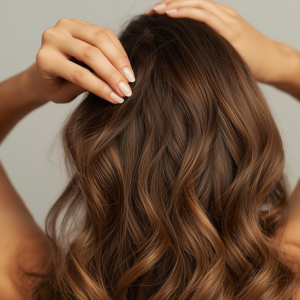
Here’s a step-by-step guide to apply jojoba oil effectively:
- Warm the oil slightly:
Pour 1–2 tablespoons of pure jojoba oil into a small bowl and warm it for a few seconds. Lukewarm oil penetrates the scalp better and enhances absorption. - Apply to the scalp:
Use your fingertips to gently massage the oil into your scalp. Start at the roots and work your way across your entire scalp in circular motions for 5–10 minutes. This boosts blood circulation and helps distribute nutrients evenly. - Work through the hair strands:
Once your scalp is covered, apply a small amount of oil to your hair lengths and ends to prevent dryness and split ends. - Leave it on:
- For a light treatment, leave it for 30–60 minutes before washing.
- For deeper nourishment, leave it on overnight and cover your hair with a shower cap.
- Rinse thoroughly:
Wash your hair with a mild, sulfate-free shampoo and lukewarm water. You may not need conditioner, as jojoba oil already leaves hair smooth and soft. - Repeat regularly:
For best results, use jojoba oil for hair loss 2–3 times a week. Consistency helps nourish the scalp, reduce dryness, and strengthen follicles over time.
5 Natural Ways It Strengthen and Regrow Hair
If you’re noticing more hair fall than usual, it might be time to give your scalp some extra care. One of the best natural remedies is jojoba oil for hair loss. This nutrient-rich oil closely mimics the natural oils produced by your scalp, making it perfect for moisturizing, repairing, and stimulating healthy hair growth. Let’s explore five natural ways jojoba oil helps strengthen and regrow hair.
1. Deeply Moisturizes the Scalp
Dryness is one of the leading causes of hair fall, and a dehydrated scalp often leads to weak, brittle strands. Using jojoba oil for hair loss helps restore and maintain scalp moisture naturally, making it one of the most effective remedies for dryness-related shedding.
Here’s how jojoba oil deeply hydrates and strengthens your hair:
- Mimics natural sebum: Jojoba oil’s structure is almost identical to the natural oils your scalp produces, allowing it to absorb easily without clogging pores or leaving a greasy feel.
- Locks in hydration: Its wax-like esters create a thin protective barrier on the scalp, preventing moisture loss and keeping your hair hydrated longer.
- Soothes dryness and flakiness: Regular application of jojoba oil nourishes dry, irritated skin on the scalp, reducing itching and dandruff that often contribute to hair thinning.
- Improves texture and shine: Well-moisturized strands are smoother, shinier, and less prone to breakage or split ends.
By keeping your scalp balanced and hydrated, jojoba oil for hair loss not only strengthens the roots but also creates a healthy environment for natural hair growth.
2. Clears Blocked Hair Follicles
One of the lesser-known causes of hair loss is blocked hair follicles — when sebum, dirt, or product residue builds up on the scalp, it prevents new hair from growing properly. Using jojoba oil for hair loss helps cleanse and unclog these follicles naturally, promoting healthier hair growth.
Here’s how jojoba oil works to clear and protect your scalp:
- Dissolves excess sebum: Jojoba oil gently breaks down hardened sebum and removes impurities without stripping away essential moisture.
- Prevents scalp buildup: Its light, non-comedogenic nature keeps pores open and breathable, allowing nutrients to reach hair roots more easily.
- Encourages fresh growth: Once follicles are clean, hair can grow freely without obstruction, reducing thinning and shedding over time.
- Restores scalp balance: Regular use helps regulate oil production, preventing both dryness and excessive greasiness.
By cleansing the scalp and keeping hair follicles healthy, jojoba oil for hair loss supports strong, consistent growth — making it an essential part of a natural hair care routine.
3. Strengthens Hair Follicles with Vitamins and Minerals
Healthy, strong hair starts at the roots — and that’s exactly where jojoba oil for hair loss works its magic. Packed with essential nutrients, jojoba oil nourishes the scalp and fortifies hair follicles from within, helping to minimize breakage and prevent thinning.
Here’s why jojoba oil is a natural powerhouse for stronger hair:
- Rich in Vitamin E: Acts as a powerful antioxidant that protects hair follicles from oxidative stress and environmental damage.
- Contains B-complex vitamins: These nutrients help repair damaged hair strands, promoting thicker and more resilient growth.
- Loaded with zinc and copper: Both minerals are crucial for maintaining follicle strength and improving the structure of growing hair.
- Improves elasticity: Well-nourished hair becomes more flexible, reducing the risk of snapping or shedding during brushing and styling.
By deeply feeding the scalp and roots, jojoba oil for hair loss strengthens hair from the inside out — ensuring every new strand grows healthier, shinier, and more resistant to damage.
4. Soothes Scalp Inflammation and Dandruff
An irritated or flaky scalp can weaken hair roots and slow down growth. Fortunately, jojoba oil for hair loss offers powerful soothing and healing benefits that help calm inflammation while keeping dandruff under control.
Here’s how jojoba oil helps restore scalp health naturally:
- Anti-inflammatory properties: Jojoba oil reduces redness, itching, and irritation caused by scalp inflammation or conditions like psoriasis and eczema.
- Fights dandruff naturally: Its antimicrobial and antifungal properties combat dandruff-causing bacteria and fungus without harsh chemicals.
- Balances scalp moisture: By hydrating dry areas and regulating oil production, jojoba oil keeps the scalp from becoming too dry or too oily.
- Encourages healthy follicles: A calm, balanced scalp supports stronger hair roots and allows new strands to grow without obstruction.
Regular scalp massages with jojoba oil for hair loss not only relieve irritation and flakiness but also create a cleaner, healthier environment where hair can thrive naturally.
5. Boosts Circulation and Encourages Growth
A healthy scalp is key to strong, thick hair — and improving blood flow is one of the best ways to achieve it. Using jojoba oil for hair loss as a scalp massage oil helps stimulate circulation, ensuring that hair follicles receive the oxygen and nutrients they need to grow stronger and faster.
Here’s how jojoba oil naturally boosts hair growth:
- Enhances blood circulation: When gently massaged into the scalp, jojoba oil increases blood flow to hair follicles, revitalizing dormant roots.
- Delivers vital nutrients: Improved circulation means essential vitamins, minerals, and oxygen reach each follicle more efficiently.
- Strengthens from the root: Well-nourished follicles produce thicker, more resilient strands that are less prone to breakage.
- Supports natural regrowth: Over time, consistent use of jojoba oil helps reduce shedding and encourages new hair growth in thinning areas.
Incorporating jojoba oil for hair loss into your regular routine — even just a few minutes of scalp massage several times a week — can make a noticeable difference in overall hair density, strength, and shine.
Can Jojoba Oil Help Regrow Hair?
Yes — while jojoba oil for hair loss doesn’t directly create new hair follicles, it plays a major role in creating the ideal environment for hair regrowth. Its unique properties help nourish and strengthen existing follicles, which can encourage thicker, healthier, and more consistent hair growth over time.
Here’s how jojoba oil supports natural regrowth:
- Unclogs hair follicles: By dissolving excess sebum and buildup, jojoba oil clears blocked follicles so new hair can grow freely.
- Improves scalp health: Its antibacterial and anti-inflammatory qualities calm irritation and reduce dandruff — both common causes of hair thinning.
- Boosts circulation: Regular scalp massages with jojoba oil increase blood flow, ensuring that hair follicles receive more oxygen and nutrients to grow stronger strands.
- Prevents breakage and shedding: Deep moisturization keeps hair soft, elastic, and less prone to damage, helping you retain length and fullness.
- Strengthens existing follicles: The vitamins E and B-complex in jojoba oil nourish roots, promoting thicker and more resilient hair.
While jojoba oil may not regrow hair in cases of severe genetic baldness, it can significantly reduce hair loss and promote healthier regrowth when used consistently as part of a natural hair care routine. For best results, pair it with a balanced diet, gentle hair products, and regular scalp massages.
Is Jojoba Oil Safe During Pregnancy?
Yes, jojoba oil is generally safe to use during pregnancy, both for hair and skin. Because it’s a natural, non-toxic oil that closely mimics the body’s own sebum, it’s gentle enough for sensitive skin and doesn’t contain harsh chemicals or synthetic additives.
However, there are a few important things to keep in mind when using jojoba oil during pregnancy:
- Use pure, cold-pressed jojoba oil: Always choose 100% natural and organic oil to avoid exposure to artificial fragrances or preservatives.
- Safe for external use only: Jojoba oil should never be ingested, as it’s meant for topical application on hair, skin, or scalp.
- Patch test first: Pregnancy can make skin more sensitive, so it’s best to test a small amount on your arm before applying it to your scalp or body.
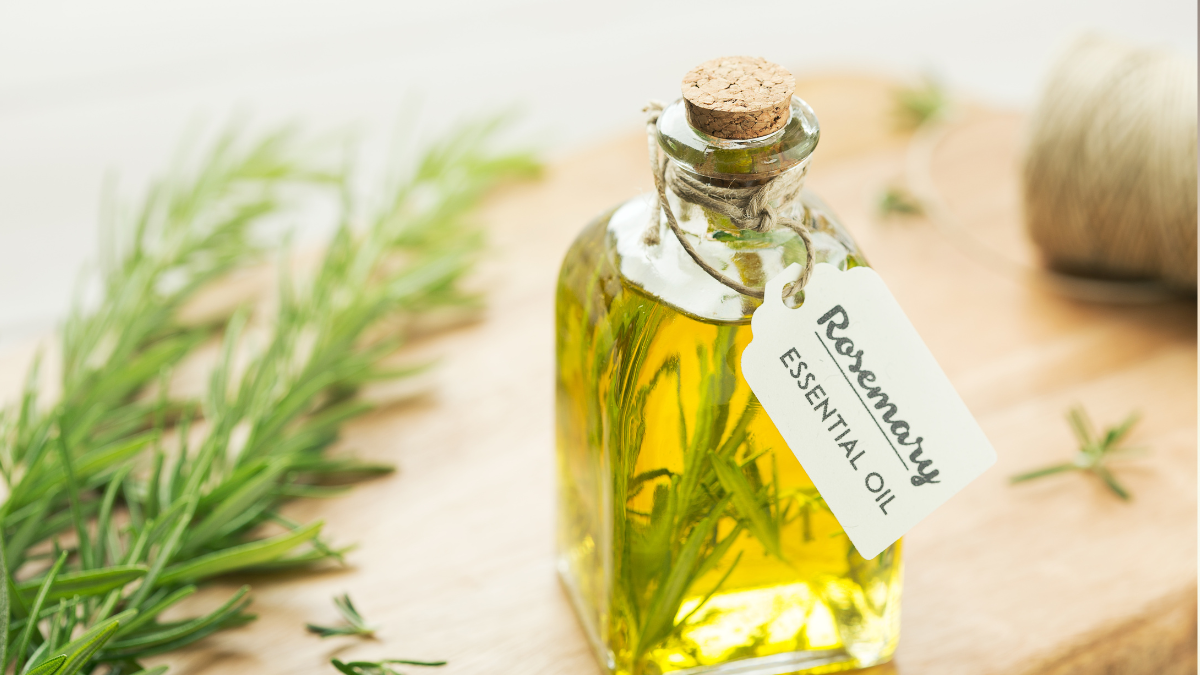
- Avoid essential oil blends unless approved by a doctor: While mixing jojoba oil with oils like rosemary or peppermint can boost hair growth, some essential oils aren’t recommended during pregnancy. Always consult your healthcare provider before use.
Overall, jojoba oil for hair loss is one of the safest natural remedies to keep your scalp healthy and hydrated during pregnancy. It helps manage dryness, reduces hair shedding, and supports healthy regrowth — all without harmful chemicals.
FAQs About Jojoba Oil for Hair Loss
1. Does jojoba oil really help with hair loss?
Yes, jojoba oil for hair loss helps by nourishing hair follicles, balancing scalp oils, and removing buildup that can block growth. It strengthens roots, reduces dryness, and promotes a healthier scalp environment that supports natural regrowth.
2. How often should I use jojoba oil on my hair?
For best results, apply jojoba oil 2–3 times a week. Regular use keeps your scalp hydrated, reduces dandruff, and strengthens hair strands over time.
3. Can I leave jojoba oil on my hair overnight?
Absolutely! Leaving jojoba oil overnight allows deeper penetration and better nourishment. Just cover your hair with a soft towel or shower cap and rinse it out with a mild shampoo in the morning.
4. Can I mix jojoba oil with other oils?
Yes, you can enhance its benefits by mixing it with essential oils like rosemary, peppermint, or lavender, which promote circulation and hair growth. However, if you’re pregnant or have sensitive skin, consult a doctor before using essential oils.
5. Is jojoba oil suitable for oily hair?
Yes, surprisingly it is. Jojoba oil helps regulate sebum production, meaning it can actually balance an oily scalp by signaling your skin to produce less oil naturally.
6. How long does it take to see results?
With consistent use, you may notice less shedding and improved texture within 4–6 weeks. Visible hair regrowth can take a few months, depending on your scalp condition and lifestyle habits.
7. Can I use jojoba oil if I have dandruff or scalp irritation?
Yes. Thanks to its antibacterial and anti-inflammatory properties, jojoba oil soothes itching, calms irritation, and reduces dandruff — making it great for sensitive or dry scalps.
8. Does jojoba oil help regrow new hair?
While it doesn’t create new follicles, jojoba oil helps strengthen existing ones, unclogs blocked pores, and improves scalp health — all of which can encourage natural hair regrowth over time.
9. Is jojoba oil pregnancy safe?
Yes, pure and organic jojoba oil is pregnancy-safe when used externally. It’s gentle, chemical-free, and effective for managing hair dryness or postpartum hair loss.
10. Should I apply jojoba oil before or after washing my hair?
You can use it both ways — as a pre-shampoo treatment to cleanse and nourish the scalp, or as a post-wash serum (a few drops) to smooth frizz and add shine.
Conclusion
If you’re looking for a simple, natural, and effective way to fight thinning hair, jojoba oil for hair loss is a remedy worth adding to your routine. Its unique ability to mimic natural scalp oils makes it one of the best ingredients for nourishing follicles, restoring moisture, and improving overall scalp health.
With regular use, jojoba oil helps reduce shedding, strengthen roots, and encourage new growth, all while keeping your hair soft, shiny, and manageable. Whether used alone or blended with other essential oils, this gentle yet powerful oil proves that sometimes, the best solutions for hair health come straight from nature.