
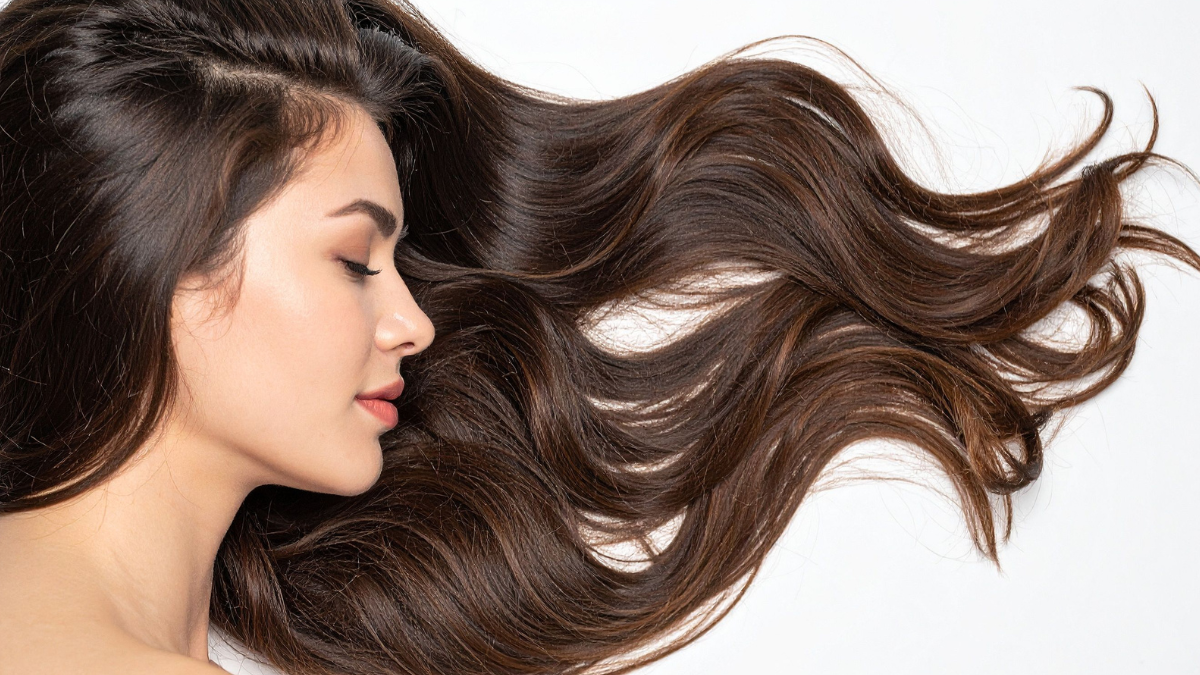
Hair loss can be frustrating, but a simple, natural solution might be right at your fingertips—literally. A scalp massage for hair loss is more than just a relaxing ritual; it’s a proven method to stimulate hair growth, strengthen follicles, and reduce shedding. By improving blood circulation, promoting nutrient absorption, and lowering stress, regular scalp massages can transform the health and appearance of your hair.
Unlike many expensive treatments, scalp massage is safe, easy to do at home, and suitable for all hair types. Whether you’re struggling with thinning hair, breakage, or slow growth, this practice can help revive your scalp and nourish your roots. Over time, you’ll notice stronger, thicker strands and a healthier scalp environment that supports long-term hair growth.
In addition to its physical benefits, a scalp massage provides mental and emotional relaxation. Reducing stress levels not only improves your overall well-being but also tackles one of the hidden causes of hair loss. Combined with hair oils or treatments, this simple daily habit can maximize nutrient absorption, giving your hair a natural boost and long-lasting results.
Table of Contents
Why Scalp Massage Helps with Hair Loss
A scalp massage for hair loss is a simple yet powerful method to support hair growth and strengthen thinning hair. Here’s why it works:
- Boosts Blood Circulation: Massaging the scalp stimulates blood flow to hair follicles, delivering essential oxygen and nutrients directly to the roots. This nourishes weak follicles and encourages new hair growth.
- Strengthens Hair Roots: Increased circulation and gentle stimulation help fortify hair roots, making strands less prone to breakage and shedding.
- Reduces Stress-Induced Hair Loss: Regular scalp massage lowers cortisol levels and relaxes scalp muscles. Since stress is a major contributor to hair thinning, this helps maintain healthier hair.
- Promotes Nutrient Absorption: When combined with oils or treatments, a scalp massage improves the penetration of nutrients and active ingredients, enhancing hair health.
- Supports Overall Hair Health: Consistent scalp stimulation improves scalp elasticity, balances oil production, and creates an ideal environment for thicker, stronger, and shinier hair.
By incorporating a scalp massage for hair loss into your routine, you target multiple causes of hair fall naturally, making it one of the most effective methods to restore and maintain healthy hair.
Best Oils to Use During a Scalp Massage
Using the right oils can make your scalp massage for hair loss more effective by nourishing follicles, improving circulation, and promoting stronger, thicker hair. Here’s a breakdown of the best oils to try:
1. Castor Oil
Rich in ricinoleic acid and fatty acids, castor oil strengthens hair roots, boosts circulation, and encourages new hair growth.
2. Coconut Oil
A natural moisturizer, coconut oil reduces protein loss, prevents breakage, and keeps the scalp healthy.
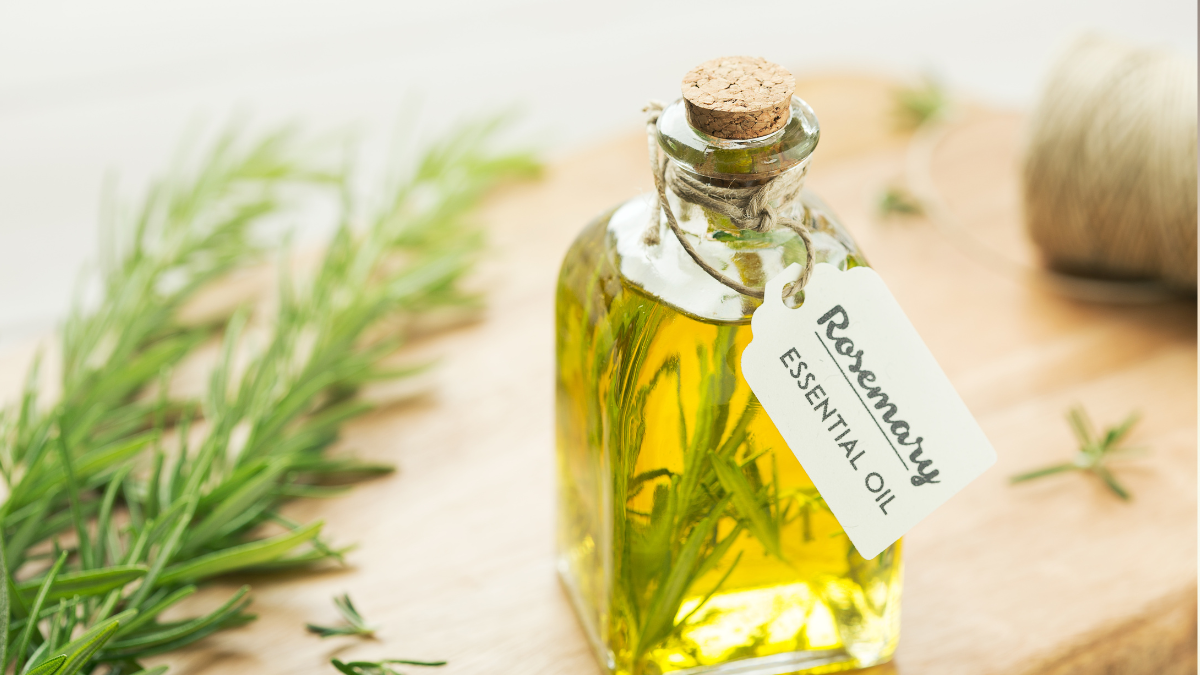
3. Rosemary Oil
This essential oil stimulates blood flow to hair follicles, helping with hair density and thickness.
4. Peppermint Oil
The menthol content gives a cooling effect, invigorates the scalp, and improves circulation.
5. Almond Oil
Lightweight and rich in vitamin E, almond oil nourishes the scalp without leaving heavy residue.
6. Tea Tree Oil
With antimicrobial properties, tea tree oil helps clear blocked follicles and maintain a healthy scalp environment.
Tip: Always mix essential oils (like rosemary or peppermint) with a carrier oil (like almond, coconut, or castor) before massaging to avoid irritation.
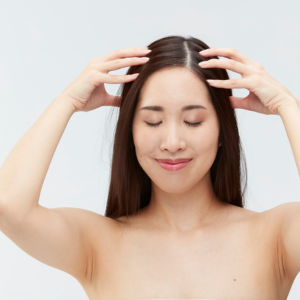
How to Do a Scalp Massage for Hair Loss
A scalp massage for hair loss is easy to do at home and can be done with or without oils. The key is consistency and proper technique to stimulate blood flow and strengthen hair follicles. Here’s a step-by-step guide:
1. Prepare Your Scalp
- Start with clean, dry, or slightly damp hair.
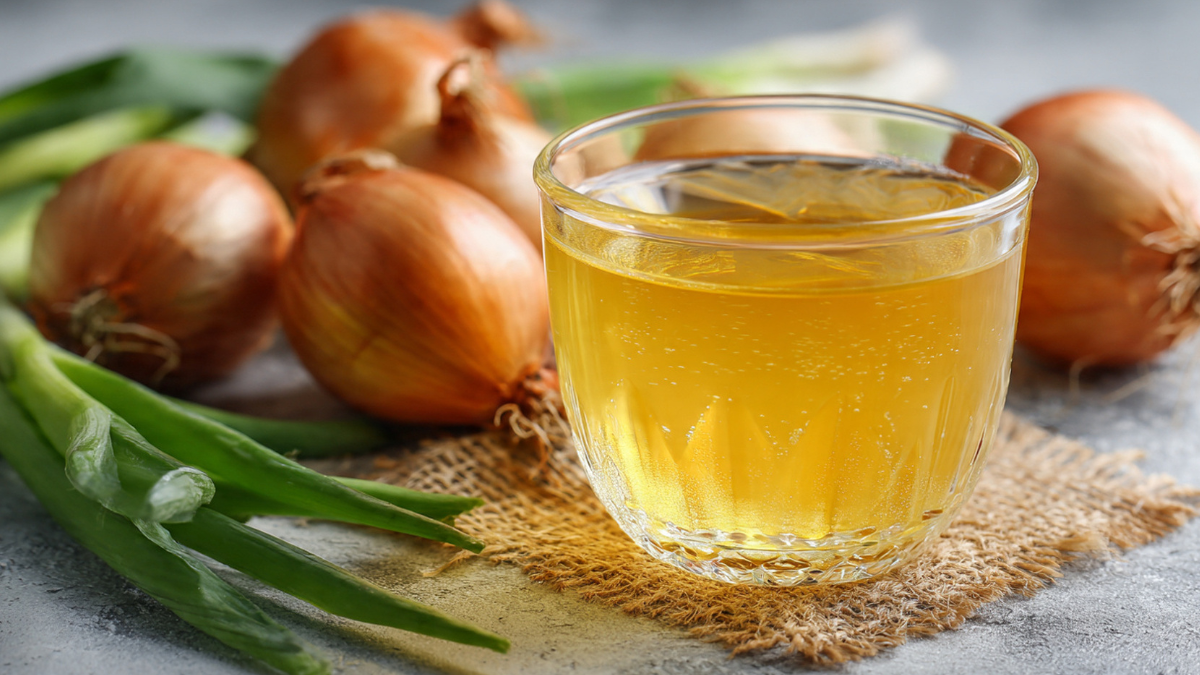
- If using oil, warm 2–3 tablespoons of your preferred hair oil (coconut, castor, rosemary, or onion oil) to enhance absorption.
2. Use Your Fingertips, Not Nails
- Use the pads of your fingers to avoid scratching the scalp.
- Apply gentle pressure in small circular motions, covering the entire scalp.
3. Focus on Key Areas
- Massage the front hairline, temples, crown, and nape of the neck.
- Spend extra time on thinning areas to stimulate dormant follicles.
4. Massage Duration
- Dry massage: 5–10 minutes daily.
- Oil massage: 10–15 minutes, 2–3 times per week.
5. Combine with Oils or Treatments (Optional)
- Gently apply nourishing oils or serums to improve nutrient absorption.
- Leave the oil on for at least 30 minutes, or overnight for deeper nourishment, then wash with a mild shampoo.
6. Be Consistent
- Regularity is key. Consistent massage, even for a few minutes daily, helps improve circulation, reduce hair fall, and promote stronger, healthier hair over time.
Scalp Massage for Different Hair Types
A scalp massage for hair loss can be tailored to suit different hair types, ensuring optimal results without causing damage. Here’s how to approach it based on your hair texture and scalp condition:
1. Fine or Thin Hair
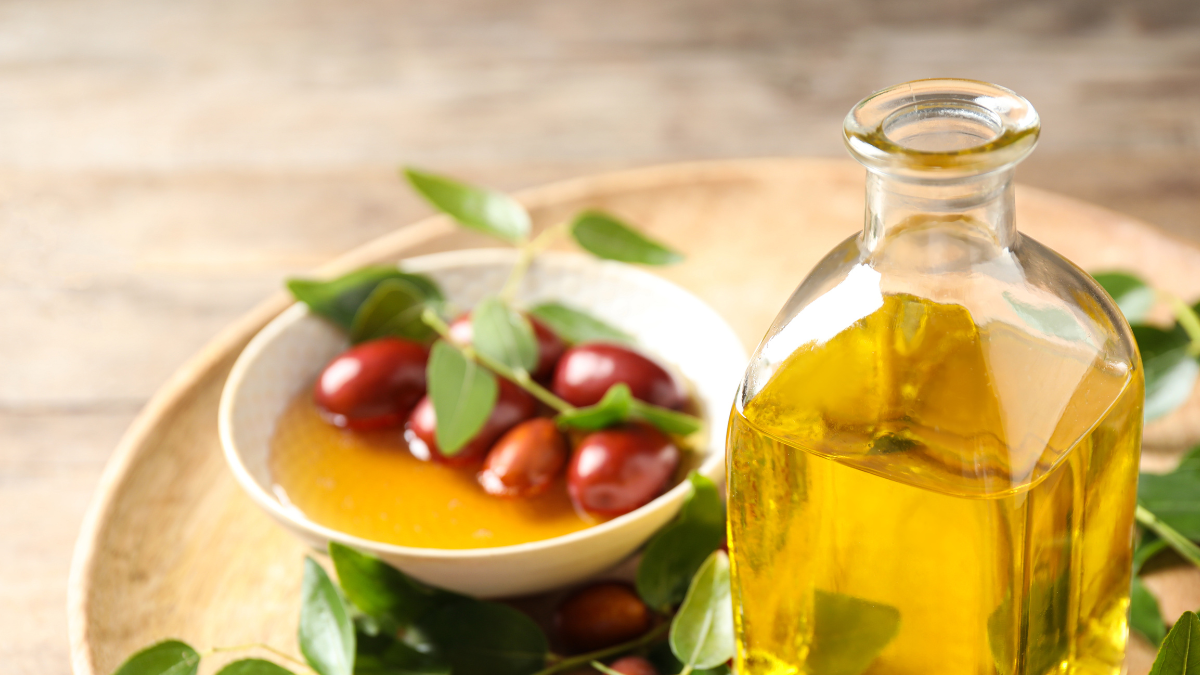
- Use lighter oils like almond or jojoba to avoid weighing hair down.
- Massage gently with fingertips in circular motions to stimulate follicles without pulling strands.
- Focus on consistency rather than long sessions; 5–7 minutes daily is sufficient.
2. Thick or Coarse Hair
- Heavier oils like castor or coconut oil work well for deep nourishment.
- Massage slightly longer (10–15 minutes) to ensure oils penetrate the scalp.
- Use wider, slower motions to cover the scalp evenly and stimulate blood flow.
3. Dry or Flaky Scalp
- Use moisturizing oils such as olive or coconut oil to reduce dryness.
- Focus on areas prone to dryness and flakiness, gently lifting and loosening dead skin.
- Leave oil for at least 30 minutes or overnight to hydrate the scalp fully.
4. Oily Scalp
- Opt for lighter oils or essential oils like rosemary or peppermint diluted in a carrier oil.
- Limit massage frequency to 2–3 times per week to avoid excess oil buildup.
- Always wash scalp afterward with a gentle, sulfate-free shampoo.
5. Curly or Textured Hair
- Use rich, nourishing oils like castor or coconut to maintain moisture and reduce breakage.
- Massage in sections to reach the scalp easily without tangling hair.
- Ensure even distribution to all follicles to support growth and scalp health.
Tailoring a scalp massage for hair loss to your hair type ensures maximum absorption of nutrients, strengthens hair roots, and prevents damage, leaving your hair healthier, stronger, and more resilient.
Benefits of Scalp Massage for Hair Loss
A scalp massage for hair loss does more than feel relaxing—it actively supports hair growth and strengthens your follicles. By stimulating blood flow, reducing stress, and improving nutrient absorption, regular scalp massages can help reduce shedding, promote thicker hair, and enhance overall scalp health.
1. Boosts Blood Flow to the Hair Follicles
Regular scalp massage for hair loss plays a major role in stimulating circulation around the scalp, directly impacting hair growth and strength. Here’s how it works:
- Improves Circulation: Gentle, circular motions during a massage help expand blood vessels beneath the scalp, allowing more oxygen and nutrients to reach the hair follicles.
- Nourishes Follicles: Increased blood flow delivers essential nutrients like biotin, iron, and zinc to the roots, strengthening them from within.
- Activates Dormant Follicles: Consistent massages encourage inactive hair follicles to become active again, promoting new hair growth in thinning areas.
- Extends the Growth Phase: Research shows that scalp stimulation can prolong the anagen (growth) phase of hair, resulting in thicker and longer strands.
- Reduces Hair Fall and Breakage: Stronger, well-nourished follicles hold onto hair more firmly, preventing excessive shedding.
- Improves Overall Scalp Health: Better circulation keeps the scalp balanced, hydrated, and free from buildup that can block follicles.
2. Strengthens Hair Roots
A scalp massage for hair loss not only boosts blood flow but also directly reinforces the hair roots, making them more resilient. Here’s how it benefits your hair:
- Stimulates Protein Production: Massaging the scalp encourages the production of keratin and collagen, essential proteins that strengthen hair from the root.
- Improves Follicle Health: Consistent stimulation keeps hair follicles active, reducing the chances of thinning or premature shedding.
- Prevents Weak and Brittle Hair: Well-nourished roots anchor each strand firmly, minimizing breakage caused by external stressors like styling or pollution.
- Enhances Nutrient Absorption: Massaged follicles better absorb oils and treatments, maximizing their strengthening effects.
- Supports Hair Density: Over time, stronger roots help increase overall hair density, giving the appearance of fuller, thicker hair.
By regularly massaging your scalp, you create a strong foundation for your hair, ensuring every strand grows healthier and lasts longer.
3. Reduces Stress and Hair Shedding
One of the often-overlooked benefits of a scalp massage for hair loss is its effect on stress, a major contributor to hair fall. Here’s how it helps:
- Lowers Cortisol Levels: Gentle scalp massage calms the nervous system and reduces cortisol, the stress hormone that can trigger hair thinning.
- Relieves Tension: Massaging the scalp relaxes tight muscles around the head and neck, improving blood flow and reducing scalp tension that can affect hair growth.
- Promotes Better Sleep: Relaxation from a scalp massage can enhance sleep quality, which is essential for hair regeneration and overall health.
- Minimizes Stress-Induced Hair Fall: By managing stress effectively, scalp massages help prevent telogen effluvium, a condition where hair falls out due to emotional or physical stress.
- Boosts Mood and Well-Being: The calming effect of massage reduces anxiety, creating a healthier internal environment for hair growth.
Regular scalp massages not only nourish your hair but also combat one of the biggest hidden causes of hair loss—stress.
4. Improves Absorption of Hair Oils and Treatments
A scalp massage for hair loss enhances the effectiveness of oils, serums, and other hair treatments by helping them penetrate deeper into the follicles. Here’s why this matters:
- Opens Hair Follicles: Gentle circular motions help the scalp absorb nutrients more efficiently.
- Maximizes Oil Benefits: Oils like coconut, castor, rosemary, and onion oil penetrate deeper, delivering vitamins, minerals, and fatty acids directly to the roots.
- Enhances Serum Effectiveness: Treatments designed to stimulate growth or reduce shedding work better when combined with regular massage.
- Boosts Scalp Hydration: Massaging spreads natural sebum and oils evenly, preventing dryness and flakiness.
- Promotes Longer-Lasting Effects: Regular massage ensures that nutrients stay in contact with follicles longer, improving hair strength and growth over time.
By combining scalp massage with your favorite hair oils or treatments, you significantly increase their absorption, making your hair care routine much more effective.
5. Encourages Thicker, Shinier Hair
A consistent scalp massage for hair loss not only nourishes your follicles but also improves the overall quality and appearance of your hair. Here’s how it contributes to thicker, healthier strands:
- Stimulates Hair Growth: Improved blood circulation and nutrient delivery help new hairs grow stronger and healthier.
- Strengthens Existing Strands: Well-nourished follicles produce thicker hair, reducing fragility and breakage.
- Adds Natural Shine: Massaging the scalp helps distribute natural oils evenly, giving hair a glossy, healthy look.
- Supports Hair Density: Activating dormant follicles over time increases overall hair volume and fullness.
- Enhances Hair Texture: Regular stimulation improves elasticity and softness, making hair easier to manage and style.
In short, a regular scalp massage creates the perfect environment for your hair to grow not only longer but also thicker, shinier, and more resilient.
Common Mistakes to Avoid When Massaging Your Scalp
A scalp massage for hair loss is highly beneficial, but doing it incorrectly can reduce its effectiveness or even cause problems. Here are the most common mistakes to watch out for:
1. Using Too Much Pressure
Pressing too hard can irritate the scalp, damage hair follicles, and lead to breakage. Gentle, circular motions with your fingertips are sufficient.
2. Using Nails Instead of Fingertips
Scratching the scalp with nails can cause micro-injuries, inflammation, and even infection. Always use the pads of your fingers.
3. Massaging Too Infrequently
Inconsistent massages won’t provide long-term benefits. Aim for daily dry massages or 2–3 oil massages per week for noticeable results.
4. Applying Cold Oil
Cold oils are absorbed less effectively. Warm your oils slightly before applying to help nutrients penetrate deeper into the follicles.
5. Skipping Scalp Cleansing
Massaging a dirty scalp can push sebum, dirt, and product buildup deeper into follicles, leading to clogged pores and hair fall. Always start with a clean scalp.
6. Overusing Oils
Applying too much oil or massaging daily with heavy oils can leave buildup, making hair greasy and potentially clogging follicles. Use oils in moderation.
7. Ignoring Problem Areas
Neglecting thinning or weak spots reduces the effectiveness of your massage. Focus extra attention on areas where hair is sparse.
By avoiding these mistakes, your scalp massage for hair loss can maximize its benefits, promoting stronger, healthier, and thicker hair over time.
How Often Should You Massage Your Scalp?
The frequency of a scalp massage for hair loss plays a crucial role in achieving the best results. Too little may have minimal impact, while overdoing it can irritate the scalp. Here’s a simple guide:
- Dry Scalp Massage: You can perform a gentle massage without oil daily for 5–10 minutes. This helps stimulate blood circulation and keep follicles active without leaving residue.
- Oil-Based Massage: When using oils like coconut, castor, or rosemary, aim for 2–3 times per week. Oils nourish the roots, but too frequent use can cause buildup or make hair greasy.
- Consistency Over Duration: Even short, regular sessions are more effective than occasional long massages. Aim for a consistent routine to gradually strengthen follicles and promote growth.
- Adjust for Hair Type: People with fine or thin hair may prefer shorter sessions with lighter oils, while those with thick or coarse hair can handle longer massages with heavier oils.
By maintaining a regular scalp massage for hair loss, you create an environment where hair follicles stay active, nourished, and resilient, ultimately reducing shedding and encouraging thicker, healthier hair.
FAQ: Scalp Massage for Hair Loss
1. Does scalp massage really prevent hair loss?
Yes. Regular scalp massage for hair loss improves blood flow, strengthens hair follicles, and reduces stress, all of which help minimize hair fall.
2. How long should I massage my scalp for hair growth?
A daily dry massage can take 5–10 minutes, while an oil massage should be 10–15 minutes, 2–3 times per week. Consistency is more important than duration.
3. Which oils are best for scalp massage?
Effective oils include coconut, castor, rosemary, peppermint, almond, and tea tree oil. Essential oils should always be diluted in a carrier oil.
4. Can scalp massage regrow hair in bald areas?
Scalp massage helps stimulate dormant follicles and improve hair thickness, but it may not fully regrow hair in completely bald areas caused by genetics.
5. How soon will I see results?
With regular scalp massage, some improvement in hair strength and thickness can be seen in 4–6 weeks, while significant hair growth may take a few months.
6. Can I do a scalp massage every day?
Yes, dry scalp massages can be done daily. If using oils, 2–3 times per week is recommended to avoid buildup.
Conclusion
A scalp massage for hair loss is a simple, natural, and effective way to support stronger, healthier hair. By stimulating blood flow, strengthening follicles, reducing stress, and enhancing nutrient absorption, regular massages can help prevent hair fall and encourage thicker, fuller strands.
Whether done with or without oils, this easy practice fits seamlessly into your daily routine and delivers long-term benefits for your scalp and hair. Start incorporating scalp massages today, stay consistent, and watch your hair become stronger, shinier, and more resilient over time.
One thought on “5 Powerful Benefits of Scalp Massage for Hair Loss”
Comments are closed.